How SAYSE rethought its technology roadmap around zero trust security
-
 Yoann Guez
- 31 July 2026
When we talk about digital transformation, we often think of new tools or productivity gains. At Sayse, a different word guided the latest technological shifts: security. More specifically, the adoption of a zero trust model, accelerated by an event nobody saw coming: the Covid-19 pandemic.
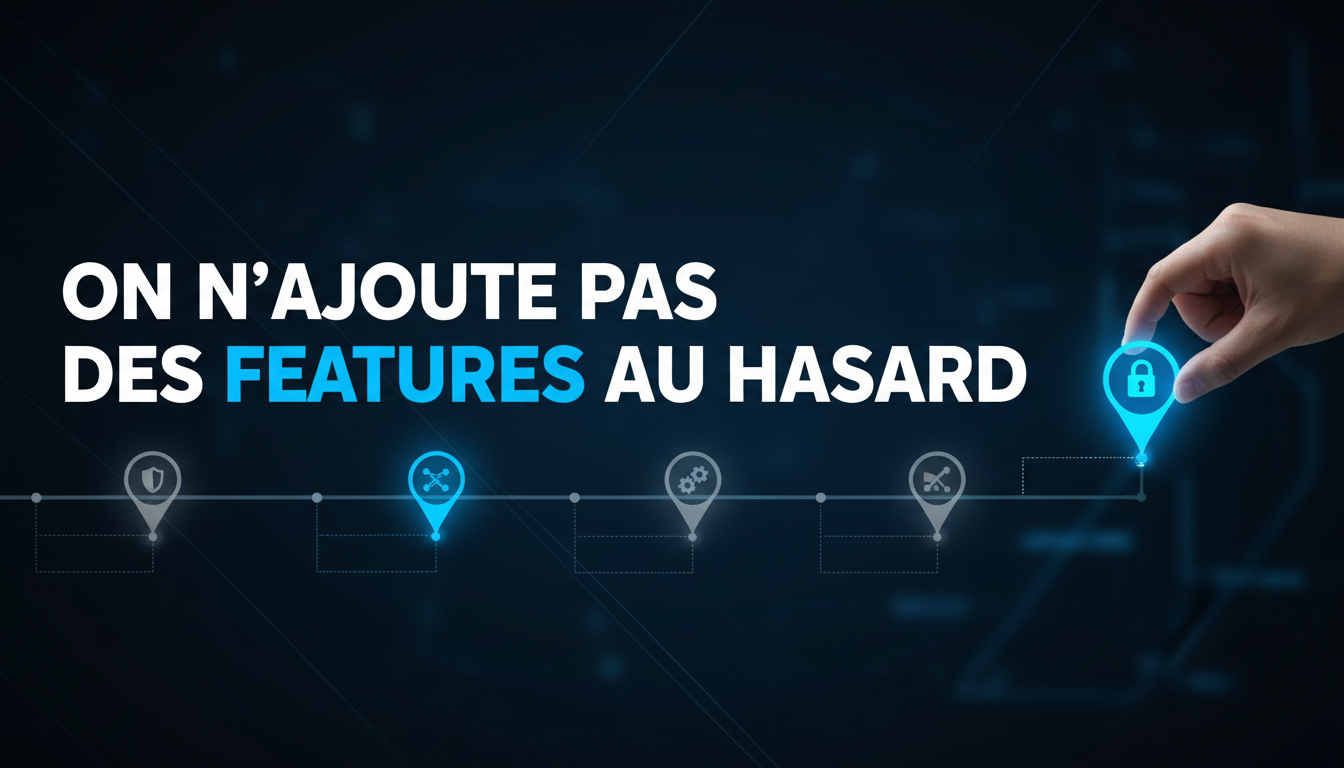

Click on the image to watch the video
A roadmap built on conventional foundations
Originally, SAYSE’s technical roadmap looked like that of many companies: rolling out SD-WAN to optimise network management, Quality of Service (QoS) management to prioritise critical traffic flows, deployment of an advanced firewall, and web filtering to govern usage. Solid foundations, designed for a world where most work was still done from the office and on the company’s internal infrastructure.
Covid-19, a catalyst for transformation
Everything changed in 2020. Overnight, employees found themselves scattered, connecting from home and sometimes from anywhere at all. The traditional security model, centred on a clearly defined network perimeter, showed its limits: how do you guarantee the same level of security rigour when users are no longer within the company’s walls?
It was this constraint that drove SAYSE to make a strategic shift towards zero trust. The principle is simple to state but demanding to implement: never trust by default, and continuously verify the identity and access rights of every user, wherever they are.
What zero trust changed in practice
This strategic cutover was not just a change in messaging. It translated into concrete technical developments:
Intrusion detection and prevention (IPS/IDS): systems capable of identifying and neutralising threats in real time, complementing conventional firewalls.
Proactive management of malicious IP addresses: an additional filtering layer to block known sources of attacks upstream. Securing remote access: connections from remote users to data centres and core infrastructure are now governed with the same rigour as internal access.
A roadmap that keeps evolving
What stands out in this journey is that it is not set in stone. SAYSE’s roadmap remains a living document, shaped by new business needs and technological developments in the sector. Further features are already in the pipeline to keep strengthening the robustness of the information system.
Key takeaways
The case of SAYSE illustrates a reality many companies have experienced since 2020: cybersecurity is no longer optional, nor just one IT project among others; it is a direct response to new ways of working. The move to zero trust is not merely a technical trend, it is a profound transformation in how we think about trust, identity and access in a world where the office no longer has fixed boundaries.
This evolution also shows that a successful technology roadmap is never set in stone: it adapts to crises, usage and threats, while keeping a clear course: protecting users and data, wherever they are.

